
This is how far we’ve come.
A random Sunday morning, and I’m on the grass strip alongside our house. Overseeing Lily the wonder dog’s morning sniff and poo.
Two boys from across the way come biking towards me on the cycle path that runs alongside the strip. Aged around eight or nine, I would say.
One of them is white, the son of a Hungarian couple we know and like very much. The other boy is of South Asian provenance. I don’t know him or his parents. Our paths just haven’t crossed.
What catches my eye, though, is the hurleys peeping out of both boys’ bagpacks.
For my non-Irish reader, hurling is a field game pretty much exclusive to this country. Featuring wooden sticks, or hurleys, with which the participants strike, pass, and carry a small ball, known as a sliotar.
I say hi to the lads, and ask if they’re playing a match or going training. They are just going for a puck around, as we call it, batting the ball back and forth to each other, in our local Gaelic Athletic Association (GAA) club, St Maur’s. Both of them play on one of the club’s underage hurling teams.
Yes, this is how far we’ve come in Ireland.
Boys and girls of a myriad denominations and ethnicities living together in our estate in a north Dublin town. So different in origin but so much in common. And these two cycling off together to play a bit of sport.
So everyday, so normal, and so natural.
It’s the idea that perceived difference should be a cause for conflict in itself that appears unnatural as I shoot the breeze with these two chirpy young lads.
But, as we know, things are a little more complicated than this in Ireland. In the world. And we know where that has led us.
This is how far we’ve come …
This same random Sunday morning, myself and Lily are back in the house and I am at the table. Myself and my wife have finished breakfast and are doing a bit of phone scrolling.
Anne opens a link to a short video piece relating to a a particularly traumatic and shameful episode in Irish history, the Ballyseedy Massacre of 1923.
Anne is from a place near Ballyseedy, in north County Kerry, and the episode lives on in local memory and folklore. And can still shock all these years later.
Anne knows the grandson of the only survivor of the massacre. And thereby hangs a most incredible tale. Which I will come to.
The link Anne called up was an extract of the interview the survivor, Stephen Fuller, gave to historian Robert Kee in 1980.
Fuller had never spoken before about the episode, even to his own family, such was the impact on him.
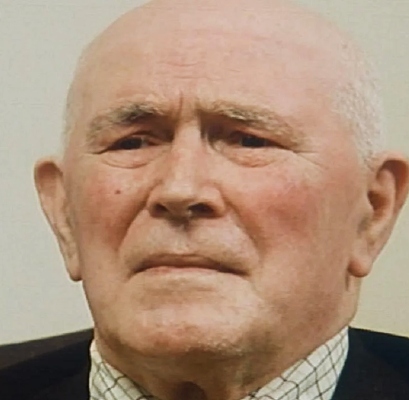
The interview was riveting. The story of the massacre and the aftermath told by this now elderly gentleman, in a most attractively strong but clear local accent. All the more striking for the simple eloquence and clarity of his delivery. No embellishing of what was already an amazing and horrific story.
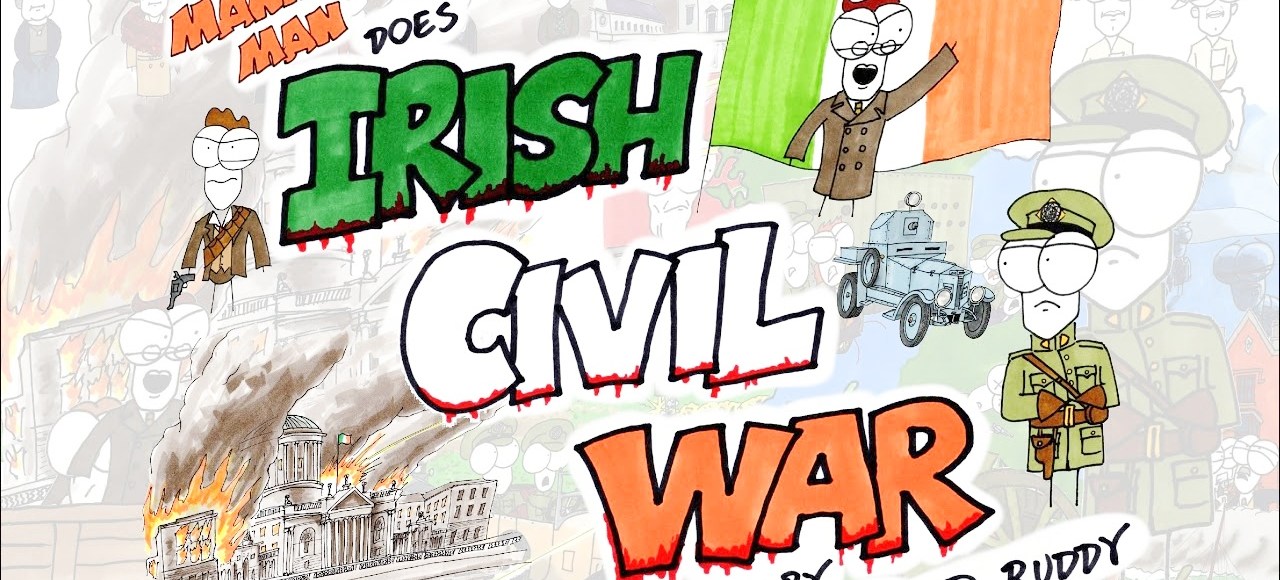
Ballyseedy is a small place outside Tralee, and said massacre took place during the Irish Civil War of 1922 to 1924.
If you are interested, you can Google the big picture national conflict.
Essentially, as a first step in establishing Ireland’s independence after centuries of occupation by British forces, the Anglo-Irish Treaty was signed. It ceded six counties in the north of Ireland to Britain, and the remaining 26 counties would become the Republic of Ireland.
The first government of Ireland side had accepted the terms of the treaty but the very large anti-treaty side did not, and the result was a bitter and bloody war.
As Google puts it: “The conflict left Irish society divided and embittered for generations. Today, the three largest political parties in Ireland are direct descendants of the opposing sides in the war: Fine Gael from the supporters of the pro-Treaty side; Fianna Fáil, the party formed from the bulk of the anti-Treaty republicans by Eamon De Valera; and Sinn Fein, comprising the minority of anti-Treaty republicans who refused to join any partitionist party.”
Stephen Fuller was one of four anti-treaty fighters arrested after their hideout was found in a place called Glenballyma, in north Kerry. Days before, men from Fuller’s side had killed five Irish army soldiers in the nearby village of Knocknagoshel.
What eventually befell Fuller and his fellow prisoners was in reprisal for that attack.
After being held for a number of days, in the middle of the night, Fuller and the other three were put in with five more prisoners.
Eventually, they were taken to Ballyseedy Bridge, where they were tied to one another, their legs bound, in a circle around a landmine. The landmine was detonated.
Miraculously, Stephen Fuller survived the explosion. He was blown clear and suffered from burns and embedded shrapnel.
He escaped and after scrapping through ditches and struggling across fields and through rivers, he eventually found a safe house. He remained on the run for many months, even after the Civil War ended, for fear he would be shot for being the only one who could tell what happened at Ballyseedy.
Back in the day, there was little ethnic or denominational variety in Ireland. Every shade of white. And still they fought.
Shot, maimed and massacred each other.
Sure it wouldn’t happen now …
This is how far we’ve come.
 EndaStories
A remarkable story, and it’s good that Mr Fuller has been able to tell it for posterity.
LikeLike
It is indeed, Clive. He lived a long and fruitful life, prominent in local politics, and even a member of our Irish parliament for a while! Not surprisingly, he was a member of the Fianna Fail party
LikeLiked by 1 person
Quite a story. 🤣😎🙃
LikeLiked by 1 person